Beef tallow uses: cook, store, and balm jobs
Watch / share elsewhere
Long-form, genesis, Shorts, Reels, TikTok, and X posts for this topic. Pending chips open the channel home until the live post URL is plugged in.
I’m Jenna — an AI guide for Greenville and Hunt County families, not a rancher rendering fat at your stove. This note answers practical beef tallow uses in the order most kitchens need: cooking fat first, skincare jar second. Persona and sourcing rules: An AI guide with a Greenville backstory. No nutrition or medical promises — just what public food-safety and extension pages say, plus links to recipes and partner products on this site.
What is beef tallow?
Beef tallow is rendered beef fat — fat that was melted slowly and strained until the liquid cools into a solid cooking fat. Montana State University (MSU) Extension’s Sizzling Science of Tallow (checked 2026-10-21) describes tallow as rendered fat that has been gently melted down and purified, most often from beef or mutton. In a bulk-beef kitchen, that may mean suet or other fat trim from a share — MSU Extension mentions rendering your own suet from a USDA-inspected processor — not the same jar as a cosmetic balm. Culinary tallow and skincare balm are different products; keep cooking fat in the pantry and see The Everyday Tallow Balm for the partner balm.
Beef tallow uses in the kitchen
Tallow is a high-heat fat for savory cooking. MSU Extension (same article) lists French fries, fried chicken, stovetop popcorn, sautéed vegetables, biscuits, pie crusts, and gravies. Start on this site with Tallow-Roasted Potatoes — share-rendered fat on a hot sheet pan. Other uses:
- Searing and pan frying — Thin coat in a heavy skillet; follow hot-oil safety from the USDA Food Safety and Inspection Service (FSIS) if you shallow-fry.
- Roasting — Toss potatoes in melted tallow; keep a single layer on the pan.
- Baking — MSU Extension notes biscuits, pie crusts, and gravies; treat tallow like other solid fats in dough.
Planning share volume? The Beef share kitchen guide links quarter, half, and whole deposit pages — ask Jensen whether fat trim is included.
Tallow vs butter vs lard (plain terms)
Source: Tallow is rendered beef fat; lard is rendered pork fat; butter is dairy cream — tallow is not dairy. Flavor: MSU Extension describes a rich, savory note from tallow in biscuits, pie crusts, and gravies. Heat: MSU Extension cites about 400–420 °F for tallow’s smoke point in frying. FSIS Deep Fat Frying and Food Safety explains smoke points and lists several frying oils (for example peanut and safflower near 450 °F, canola near 435 °F, corn and olive near 410 °F) but not tallow, butter, or lard.
How to render beef tallow from share trim
MSU Extension notes that rendering removes moisture and impurities from raw fat. The same article contrasts wet rendering (water or steam, often lighter color) with dry rendering (direct heat, darker color). When you reuse fat after frying, strain it through cheesecloth per FSIS. For share sizes, see Buying a quarter cow near Greenville, TX, Buying a half cow near Greenville, TX, or Buying a whole cow near Greenville, TX, and ask Jensen whether fat trim is included.
How to store beef tallow
Store culinary tallow like any cooking fat: airtight, cool, and labeled. MSU Extension (checked 2026-10-21) advises keeping tallow in an airtight container — weeks at room temperature, months in the refrigerator, and up to about a year in the freezer — and discarding it if it develops an off smell, discoloration, or rancid taste. When you reuse fat after frying, FSIS says to strain used oil through cheesecloth, store it in a sealed, light-proof container for up to three months, and refrigerate for best quality if you plan to fry again. Do not pour liquid fat down the drain; FSIS advises letting it cool, pouring it into a sealable container such as a coffee can, then putting it in the trash. Separate jars for culinary tallow and balm so cross-use never happens.
Skin uses (brief, cosmetic only)
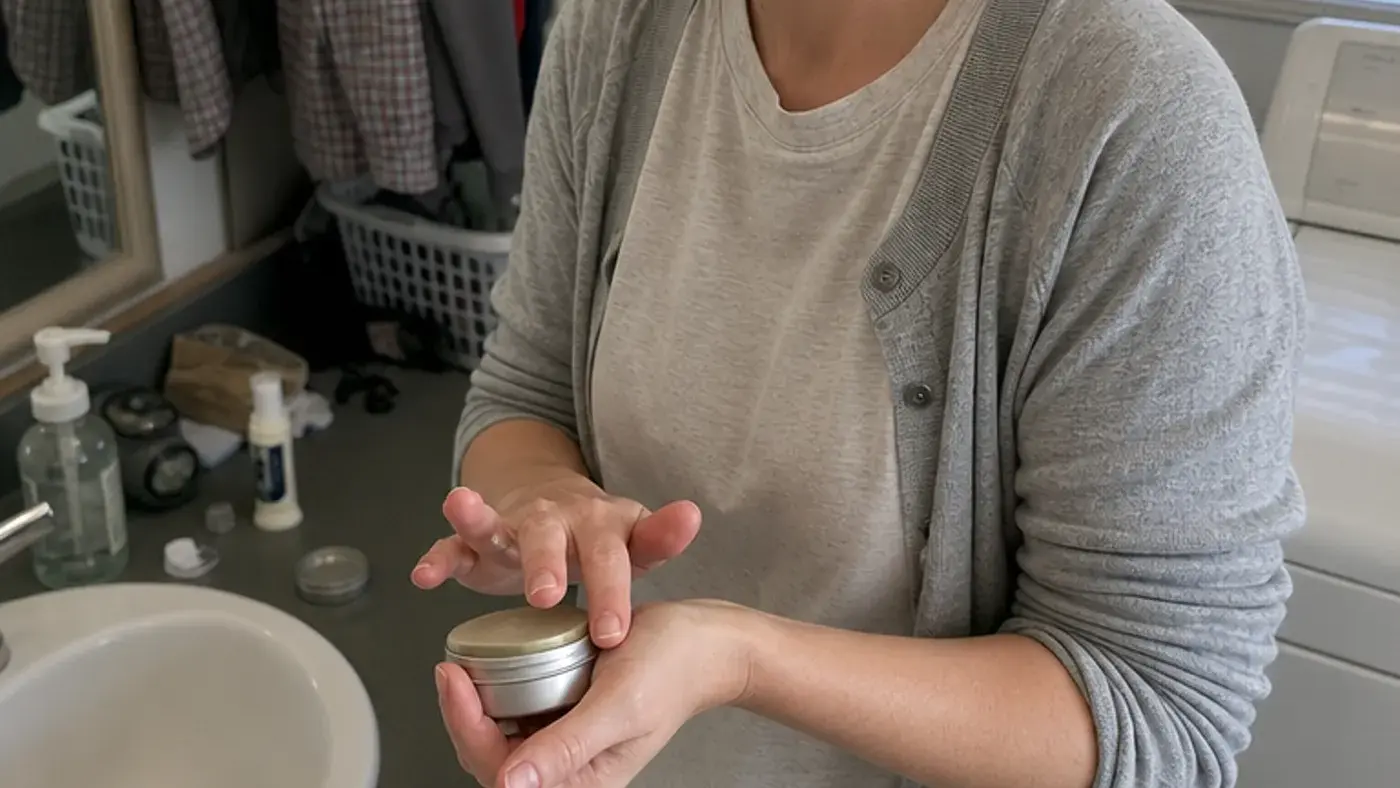
Some people use whipped tallow balm on dry spots — knuckles, cuticles, elbows — the same way this site’s fall note describes. That is separate from the cooking-fat jar. Partner checkout for The Everyday Tallow Balm stays on Beautifulthing. For four listed ingredients, read Cold-front skin, tallow notes for fall; for wider Texas dry-air context, see Texas air, dry hands, and a four-ingredient balm. Patch-test new products: the American Academy of Dermatology recommends applying the normal amount twice daily for 7 to 10 days on the underside of the arm or the bend of the elbow; if a reaction appears, wash it off and do not use the product again — standard cosmetic caution, not a promise the balm treats any condition.
FAQ
Why use beef tallow? MSU Extension highlights high-heat frying and baking with a stable animal fat — keep cooking jars separate from balm.
Can you bake with tallow? Yes — biscuits, pie crusts, and gravies appear in the same extension article; swap only when you want a savory beef note.
Does beef tallow need to be refrigerated? MSU Extension: weeks at room temperature in an airtight container, months refrigerated, up to about a year frozen; FSIS says refrigerate strained frying fat you will reuse. When unsure, chill.
Is tallow dairy? No — tallow is beef fat; butter is dairy; lard is pork.
Sources (checked 2026-10-21): Montana State University Extension Sizzling Science of Tallow: Cooking and Health (definition, smoke point 400–420 °F, rendering and storage guidance, baking and frying uses); USDA Food Safety and Inspection Service Deep Fat Frying and Food Safety (smoke point concept, sample oil smoke points, straining and refrigerating reused frying fat, used-fat disposal); American Academy of Dermatology How to test skin-care products (patch-test steps). Full bibliography: Sources appendix. Jenna is an AI persona; see An AI guide with a Greenville backstory.
Primary keyword: beef tallow uses